
Cost-Saving Strategies for Fleet Managers in Tow Operations
Cost-Saving Strategies for Fleet Managers in Tow Operations
Managing a fleet of tow trucks involves significant costs: fuel, maintenance, staffing, insurance, and equipment. Fleet managers must find ways to reduce expenses while maintaining fast, reliable service.
Digital platforms like iTraino provide tools to streamline fleet operations, optimize routing, and track operator efficiency, helping fleet managers save money without sacrificing service quality.
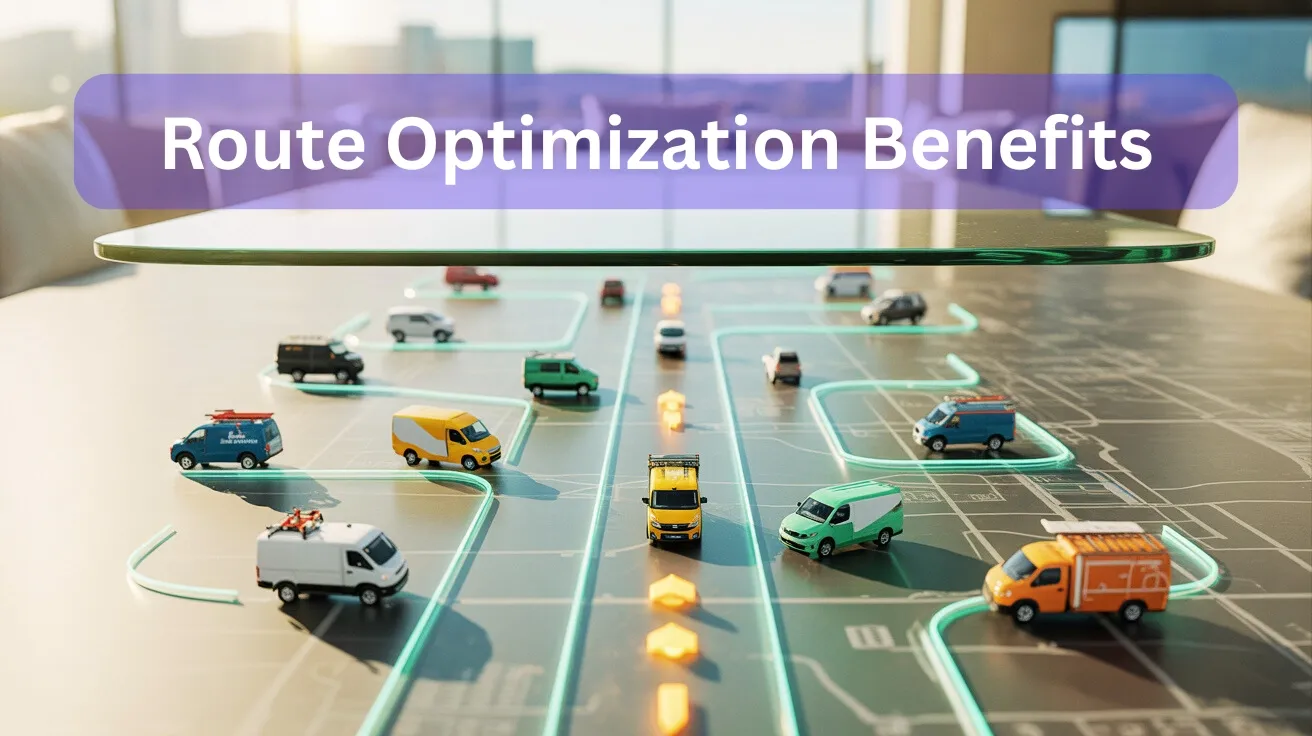
Step 1: Optimize Route Planning
Efficient routing reduces fuel consumption and driver time:
-
Use GPS and live traffic data to plan the shortest, fastest routes
-
Assign the nearest operator to a job to minimize travel
-
Combine multiple stops strategically for multi-service requests
Optimized routing lowers fuel costs and increases job completion rates.
Step 2: Monitor Fuel Usage Across the Fleet
Fuel is a major operational expense:
-
Track each vehicle’s fuel consumption
-
Identify inefficient vehicles or routes
-
Encourage operators to follow fuel-efficient driving practices
Digital platforms provide fuel tracking and reporting to help managers reduce unnecessary fuel spending.
Track fleet fuel usage here:
🔵 https://itraino.com/fleet-performance-analytics
Slug: fleet-performance-analytics
Step 3: Schedule Preventive Maintenance
Unplanned breakdowns increase costs and downtime:
-
Maintain regular service schedules for brakes, tires, and engines
-
Inspect safety equipment and winches frequently
-
Replace worn parts before they fail
Preventive maintenance reduces repair costs and keeps vehicles operational longer.
Fleet maintenance tracking:
🔵 https://itraino.com/fleet-maintenance-management
Slug: fleet-maintenance-management
Step 4: Reduce Idle Time for Operators
Idle time wastes fuel and staff resources:
-
Use digital dispatch tools to keep operators moving between jobs efficiently
-
Avoid long wait times between assignments
-
Monitor downtime and identify patterns for improvement
Reducing idle time improves fleet productivity and lowers operational costs.
Step 5: Streamline Job Assignments
Assigning jobs manually can create inefficiencies:
-
Digital platforms allow automatic matching of jobs to available operators
-
Filter assignments by skills, equipment, or proximity
-
Prioritize urgent requests to maximize service impact
Efficient job assignment saves time, reduces overtime, and cuts administrative costs.
Accept verified fleet jobs here:
🔵 https://itraino.com/digital-towing-dispatch-platform
Slug: digital-towing-dispatch-platform
Step 6: Use Multi-Service Fleets Strategically
Operators capable of multiple services reduce the need for multiple visits:
-
Combine towing, jumpstarts, fuel delivery, tire changes, and lockouts in one trip
-
Reduce repeat travel for the same motorist
-
Improve revenue per operator while minimizing operational costs
Multi-service coordination increases efficiency and lowers overall fleet expenses.
Step 7: Train Operators on Efficient Practices
Well-trained operators save money:
-
Educate on safe, fuel-efficient driving
-
Train on quick, accurate completion of multi-service jobs
-
Provide guidance for handling heavy or complex vehicles efficiently
Operator efficiency directly impacts operational costs.
Step 8: Implement Digital Job and Payment Management
Paper-based tracking wastes time and resources:
-
Use digital platforms like iTraino for job tracking and payment collection
-
Reduce administrative labor costs
-
Automate invoicing and receipts for each service
Digital management reduces errors and frees staff to focus on fleet operations.
Step 9: Analyze Fleet Data for Cost Reduction
Data-driven insights help identify savings:
-
Monitor fuel, maintenance, and overtime expenses
-
Identify underperforming vehicles or operators
-
Track high-cost job types and adjust assignments accordingly
Analyzing fleet data enables strategic decisions that reduce costs while maintaining service quality.
Step 10: Final Thoughts
Cost savings in tow fleet management come from smart planning, preventive maintenance, operator efficiency, and digital tools.
Key takeaways:
-
Optimize routing to save fuel and time.
-
Monitor fuel usage across all vehicles.
-
Schedule preventive maintenance to avoid costly breakdowns.
-
Reduce idle time and unnecessary travel.
-
Streamline job assignments for maximum efficiency.
-
Leverage multi-service capabilities to reduce repeat trips.
-
Train operators on efficient and safe practices.
-
Implement digital job and payment management.
-
Analyze fleet data to identify cost-saving opportunities.
Platforms like iTraino enable fleet managers to reduce operational costs, improve efficiency, and provide reliable service to motorists, maximizing both profitability and client satisfaction.